%2Ffit-in%2F250x250%2Fguide_websites%2F20088%2Fimages%2F1735060540053flyingfishlogo_edited.png&w=1920&q=100)
/users/58b1f545-9bbd-4902-872f-19874ba8e36d/ratecard/sharkonfly.jpg)
%2F300x300%2Fusers%2F58b1f545-9bbd-4902-872f-19874ba8e36d%2Fratecard%2Fsharkonfly.jpg&w=256&q=75)
%2F300x300%2Fusers%2F58b1f545-9bbd-4902-872f-19874ba8e36d%2Fimages%2Fharkers-island-fishing-tours-3022.jpeg&w=256&q=75)
%2F300x300%2Fusers%2F58b1f545-9bbd-4902-872f-19874ba8e36d%2Fimages%2Flittle-tunny-fishing-tour-harkers-3070.jpeg&w=256&q=75)
%2F300x300%2Fusers%2F58b1f545-9bbd-4902-872f-19874ba8e36d%2Fimages%2Flittle-tunny-harkers-island-fishing-3526.jpeg&w=256&q=75)
%2F300x300%2Fusers%2F58b1f545-9bbd-4902-872f-19874ba8e36d%2Fimages%2Fharkers-island-fishing-tour-3498.jpeg&w=256&q=75)
%2F300x300%2Fusers%2F58b1f545-9bbd-4902-872f-19874ba8e36d%2Fimages%2Ffishing-tours-harkers-island-3097.jpeg&w=256&q=75)
%2F300x300%2Fusers%2F58b1f545-9bbd-4902-872f-19874ba8e36d%2Fimages%2Fharkers-island-fishing-tours-3342.jpeg&w=256&q=75)
%2F300x300%2Fusers%2F58b1f545-9bbd-4902-872f-19874ba8e36d%2Fimages%2Ffishing-tours-north-carolina-3020.jpeg&w=256&q=75)
%2F300x300%2Fusers%2F58b1f545-9bbd-4902-872f-19874ba8e36d%2Fimages%2Flittle-tunny-cape-pointe-marina-11220.png&w=256&q=75)
%2F300x300%2Fusers%2F58b1f545-9bbd-4902-872f-19874ba8e36d%2Fimages%2Ffishing-adventure-cape-pointe-marina-7937.png&w=256&q=75)
%2F300x300%2Fusers%2F58b1f545-9bbd-4902-872f-19874ba8e36d%2Fimages%2Fharkers-island-fishing-tour-2475.jpg&w=256&q=75)
Top-Rated Spring Shark & Cobia Trip | Palm Beach
 Harkers Island
What you will be catching:
 Blacktip Shark
 Cobia
Cobia Mahi Mahi or Common Dolphinfish
 Spinner Shark
- Starting in May, Harkers Island becomes shark and cobia central. We'll sight fish for Spinner Sharks, Blacktips, and hard-fighting Cobia using both fly rods and spinning tackle. I like to work moving chum slicks and watch for surface action
- these fish put on quite a show when hooked. The real fun comes from not knowing what we'll find. Tiger Sharks cruise through, and Mahi Mahi show up when you least expect them. With just three anglers max, everyone gets plenty of shots at fish. Flying Fish Charters runs these trips all season long, and each one's different. The waters off North Carolina's Crystal Coast hold some serious surprises.
Trip Pricing and Availabilities:
Full Day Cobia and Shark Fishing - Harkers Island
When May rolls around, the waters off Harkers Island transform into an angler's paradise. This full-day guided adventure puts you right in the middle of one of North Carolina's most exciting fishing seasons, when massive schools of Spinner Sharks, Blacktip Sharks, and Cobia cruise through our crystal-clear coastal waters. Captain and crew aboard Flying Fish Charters know these waters like the back of their hand, and they'll put you on fish using proven sight fishing techniques that make every cast count. With space for up to three anglers, this intimate charter experience gives everyone plenty of room to work and the personal attention that makes the difference between a good day and an epic one.
What to Expect on the Water
Your captain's approach centers around sight fishing - the most exciting way to target these spectacular species. You'll spend your day either cruising the flats looking for tailing fish and dorsal fins cutting through the surface, or anchored up working a carefully crafted chum slick that draws predators from miles around. The beauty of this style of fishing is that you see everything happen. When a six-foot Cobia materializes out of the blue-green depths or a school of Blacktips starts working bait nearby, your heart rate spikes and the adrenaline kicks in. Both fly fishing and conventional spinning tackle work great for this fishery, so whether you're slinging flies or chunking cut bait, you'll have shots at quality fish all day long. The waters around Harkers Island provide the perfect mix of depth changes, current breaks, and structure that these species love, making it one of the most productive areas along the entire Crystal Coast.
Techniques and Tackle
Sight fishing requires patience, skill, and the right setup - all of which your captain brings to the table. When you're on the hunt, the boat moves slowly and quietly through prime habitat while everyone keeps their eyes peeled for signs of life. Cobia often cruise just under the surface, their dark brown bodies easy to spot against sandy bottoms, while sharks give themselves away with dorsal and tail fins breaking the surface. Once fish are located, it's all about the approach and presentation. For spinning tackle, medium to heavy action rods paired with reels spooled with 30-50 pound braided line give you the backbone needed to handle these powerful fish. Live bait works great, but cut baits like menhaden, mullet, and blue fish chunks are equally effective and often easier to manage. When working a chum slick, the captain will set up on structure or current edges where these predators naturally hunt, creating a scent trail that pulls fish from the surrounding area. The key is keeping a steady flow of chum going while presenting baits at various depths until you find where the fish are feeding.
Target Species You'll Want to Hook
Cobia are the crown jewel of this fishery and for good reason. These brown sharks, as locals sometimes call them, are curious, aggressive, and put up a fight that'll test your tackle and your stamina. Most fish range from 30 to 50 pounds, though bigger ones show up regularly during peak season from May through September. What makes Cobia special is their personality - they'll often follow the boat, circle your bait, and give you multiple chances for the perfect cast. They're also fantastic table fare, with firm white meat that's perfect on the grill or blackened in a cast iron skillet.
Spinner Sharks earn their name with spectacular aerial displays that'll have you reaching for your phone to capture the action. These sleek predators typically run 20 to 40 pounds and are absolute rockets when hooked. They prefer the warmer months and show up in good numbers from late spring through early fall. What's wild about Spinners is their feeding behavior - they'll corksrew through schools of bait fish, often launching completely out of the water in the process. When one hits your bait, expect multiple jumps and long runs that'll burn drag and test your fighting skills.
Blacktip Sharks are the workhorses of this fishery, showing up consistently and providing steady action when other species are being finicky. Running anywhere from 15 to 60 pounds, they're excellent fighters that make strong initial runs and don't give up easy. You'll find them in shallow water working bait schools, and they respond well to both live and cut baits. Blacktips are also one of the best eating sharks, with meat that's mild and versatile in the kitchen.
Mahi Mahi are the wild cards that can turn a great day into a legendary one. While they're not the primary target, these colorful fighters show up often enough to keep things interesting, especially when you're working offshore structure or current lines. When a school of dolphin fish finds your chum slick, the action can be fast and furious, with multiple hookups and fish in the 10 to 25 pound range. Their electric colors and acrobatic fights make them a favorite among anglers, and they're hard to beat on the dinner table.
Time to Book Your Spot
This full-day charter represents everything that makes Harkers Island fishing special - diverse species, proven techniques, and waters that consistently produce memorable catches. Your captain's commitment to sight fishing means you're not just dropping baits and hoping for the best; you're actively hunting fish in an environment where surprise encounters are part of the program. Whether you're after a personal best Cobia, want to experience a Spinner Shark's aerial acrobatics, or hoping to stumble into a school of Mahi, this trip delivers the kind of action that keeps anglers coming back season after season. The intimate three-person capacity ensures everyone gets plenty of shots at fish and the personal instruction that makes novices feel confident and experienced anglers more successful. Don't wait too long to book - prime dates during the migration fill up fast, and you don't want to miss out on some of the best fishing North Carolina has to offer.
Learn more about the animals
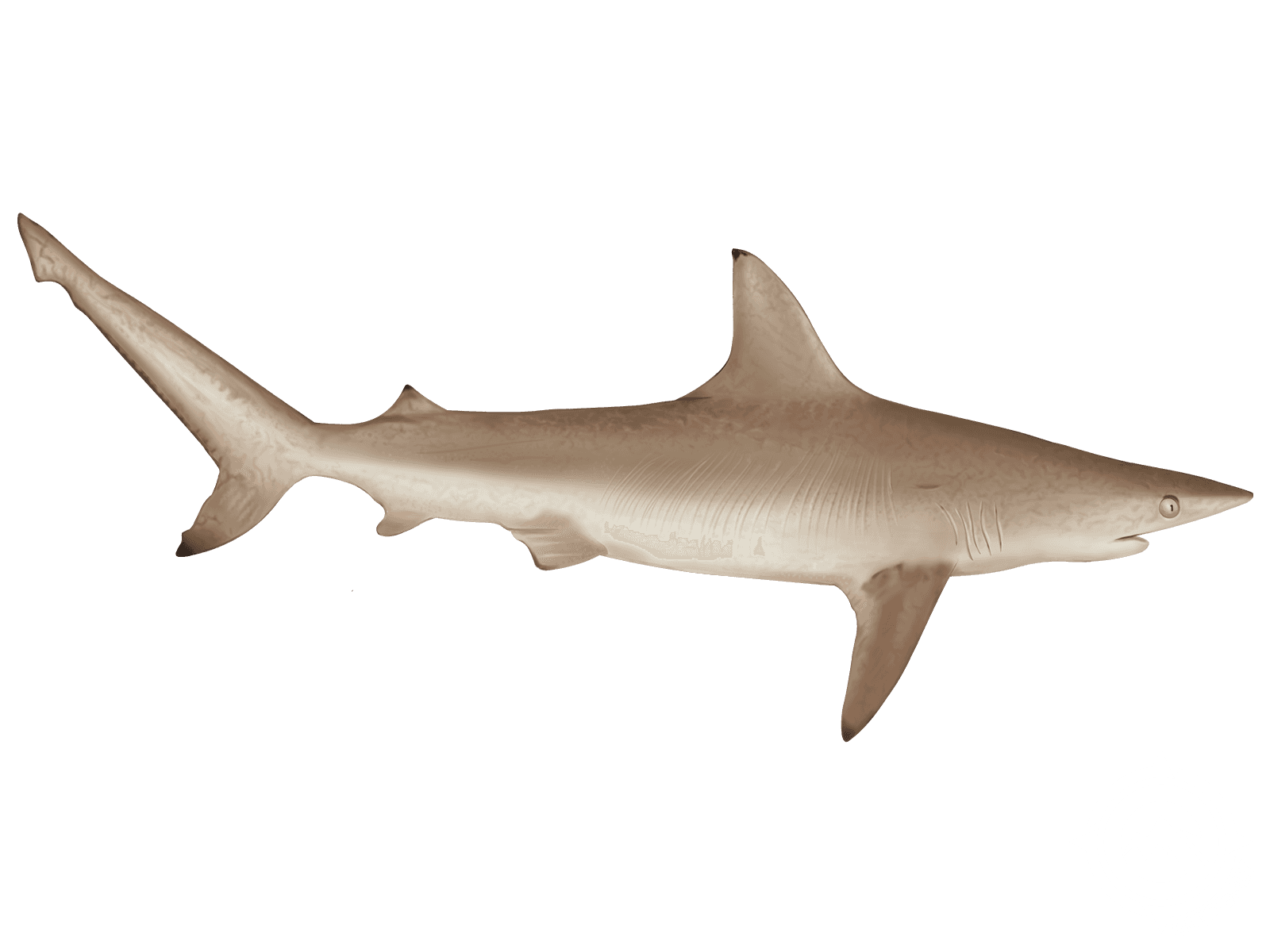
Blacktip Shark
Blacktips are the reliable workhorses of our May migration, and you'll know them by those distinctive black-tipped fins. They typically run 4-6 feet and are built for speed with their streamlined bodies. These sharks prefer shallower water around 30-100 feet and love hanging around structure like artificial reefs. What makes them fun to target is their aggressive nature - they'll hit baits hard and put up a solid fight with some nice jumps. They can get pretty excited during feeding, sometimes even launching themselves right into the boat! Blacktips are timid but curious, so they'll often watch your chum slick from a distance before committing. My go-to setup is heavy braided line with circle hooks, and here's the key: use oily bait like mackerel or sardines in your chum - that smell trail brings them right to you.
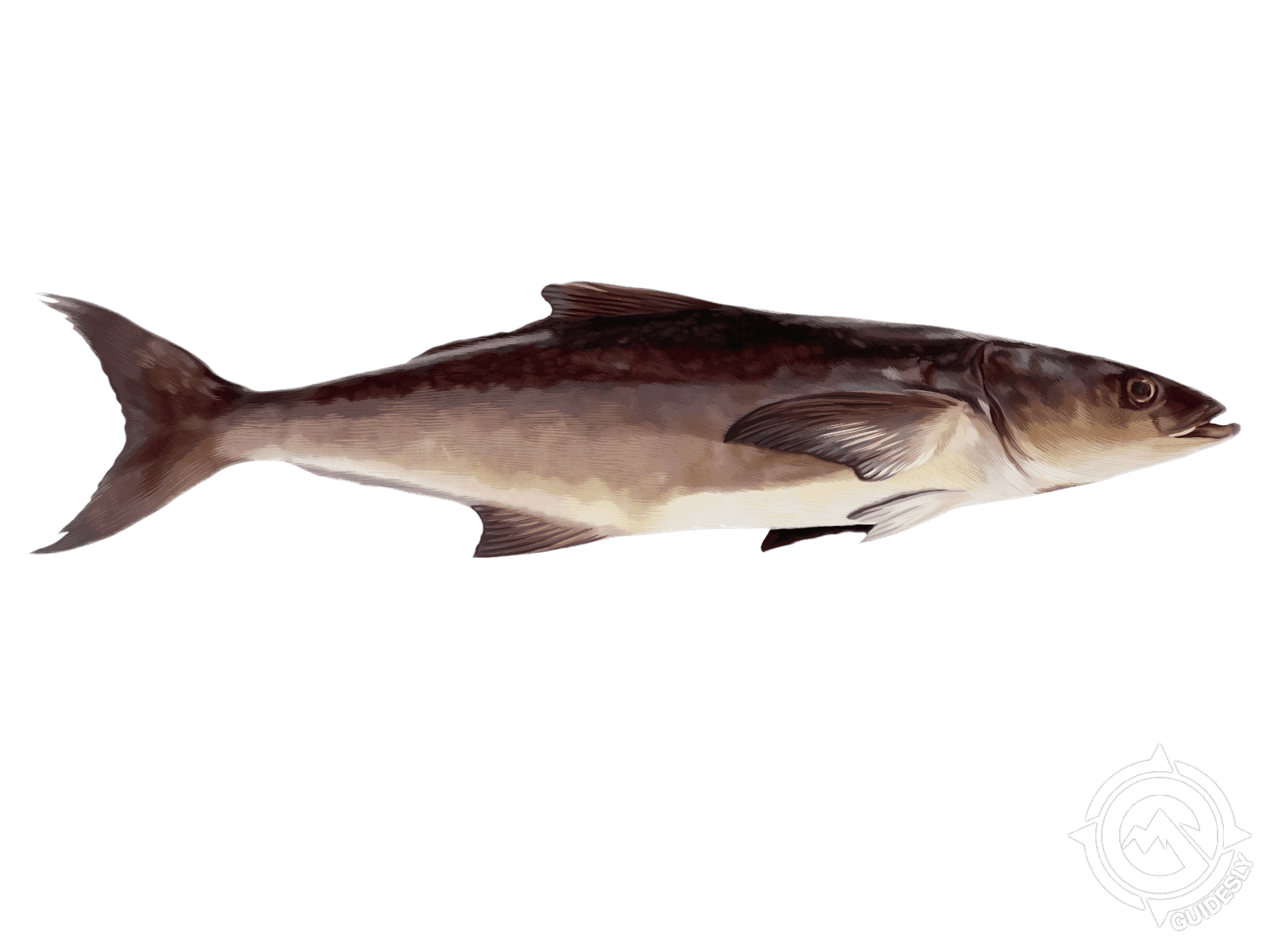
Cobia
Cobia are the prize of our spring run - big, brown, and built like submarines. These fish average 30-50 pounds but can push 80+ pounds, and they're usually solo travelers rather than schooling fish. You'll find them around structure in 30-70 feet - buoys, wrecks, floating debris, anywhere they can ambush prey. Spring through early summer is prime time when they migrate through our waters. What guests love about cobia is the visual game - we spot them cruising just under the surface, then make precise casts to individual fish. They're curious and will often follow lures before deciding to eat. The fight is strong and stubborn, and the meat is top-shelf eating. Here's my secret: when you see one, don't cast right at it. Lead them by a few feet with a bucktail jig and work it slow - they like to inspect before they commit.
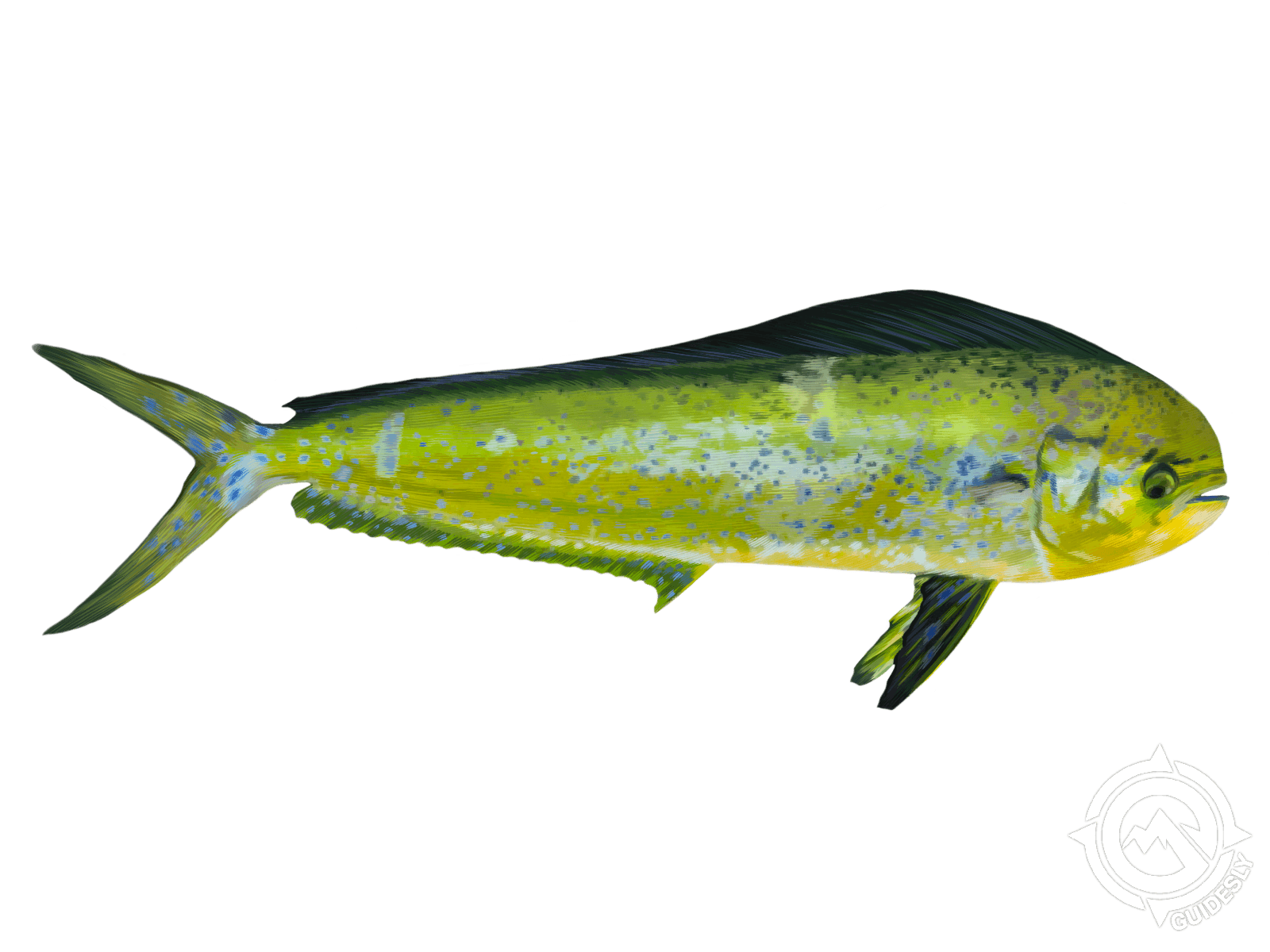
Mahi Mahi or Common Dolphinfish
These golden beauties are a real treat when they show up around our floating debris and weed lines, usually in the warmer months. Most run 15-30 pounds, though we've seen some bruisers hit 50+. They're surface dwellers that love structure - anything floating will hold them. What makes mahi special is that color show they put on when hooked, flashing brilliant blues and golds before fading out. They fight hard with lots of jumps and runs. Plus, they're some of the best eating fish in the ocean - firm, sweet meat that grills up perfect. Pro tip: once you hook one, keep another line ready. Where there's one mahi, there's usually more, and they'll often stick around if you keep one hooked in the water while you work the school.
Spinner Shark
Spinners are the acrobats of our spring migration, showing up in May when the water warms up. These sleek sharks average 6-7 feet and around 120 pounds, but what sets them apart is their feeding behavior - they'll rocket through baitfish schools and launch completely out of the water, spinning up to three times before crashing back down. We find them in 30-100 feet of water, often following the same bait schools as our cobia. They're strong fighters that'll test your drag, and their aerial displays are something guests never forget. Spinners hunt by smell more than sight, so oily baits like bonito or bluefish work best. Here's the trick: when you see birds working over bait, look for those telltale splashes - that's your spinner feeding sign right there.
About the Flying Fish II
%2F%2Fusers%2F58b1f545-9bbd-4902-872f-19874ba8e36d%2Fvehicle_picture%2Ff16e6476-bf61-4182-84c1-9ae21ee27696-mmgc1puw.jpeg&w=1920&q=75)
Vehicle Guest Capacity: 5
Manufacturer Name: Yamaha
Maximum Cruising Speed: 55
Number of Engines: 1
Horsepower per Engine: 200