%2Ffit-in%2F250x250%2Fguide_websites%2F20088%2Fimages%2F1735060540053flyingfishlogo_edited.png&w=1920&q=100)
/users/58b1f545-9bbd-4902-872f-19874ba8e36d/ratecard/jaywithalbacore.jpg)
%2F300x300%2Fusers%2F58b1f545-9bbd-4902-872f-19874ba8e36d%2Fratecard%2Fjaywithalbacore.jpg&w=256&q=75)
%2Ffilters%3Aformat(webp)%2F300x300%2F7219f432-06b0-4c00-aab7-68be3ec483e2%2Freport%2Fsocial%2Fimages%2Freport%2Flittle-tunny-cape-pointe-marina-11220.png&w=256&q=75)
%2Ffilters%3Aformat(webp)%2F300x300%2F7219f432-06b0-4c00-aab7-68be3ec483e2%2Freport%2Fsocial%2Fimages%2Freport%2Ffishing-adventure-cape-pointe-marina-7937.png&w=256&q=75)
Premier 8-Hour Fall Fishing Adventure | Flying Fish
 Harkers Island
What you will be catching:
 Blacktip Shark
 Bluefish
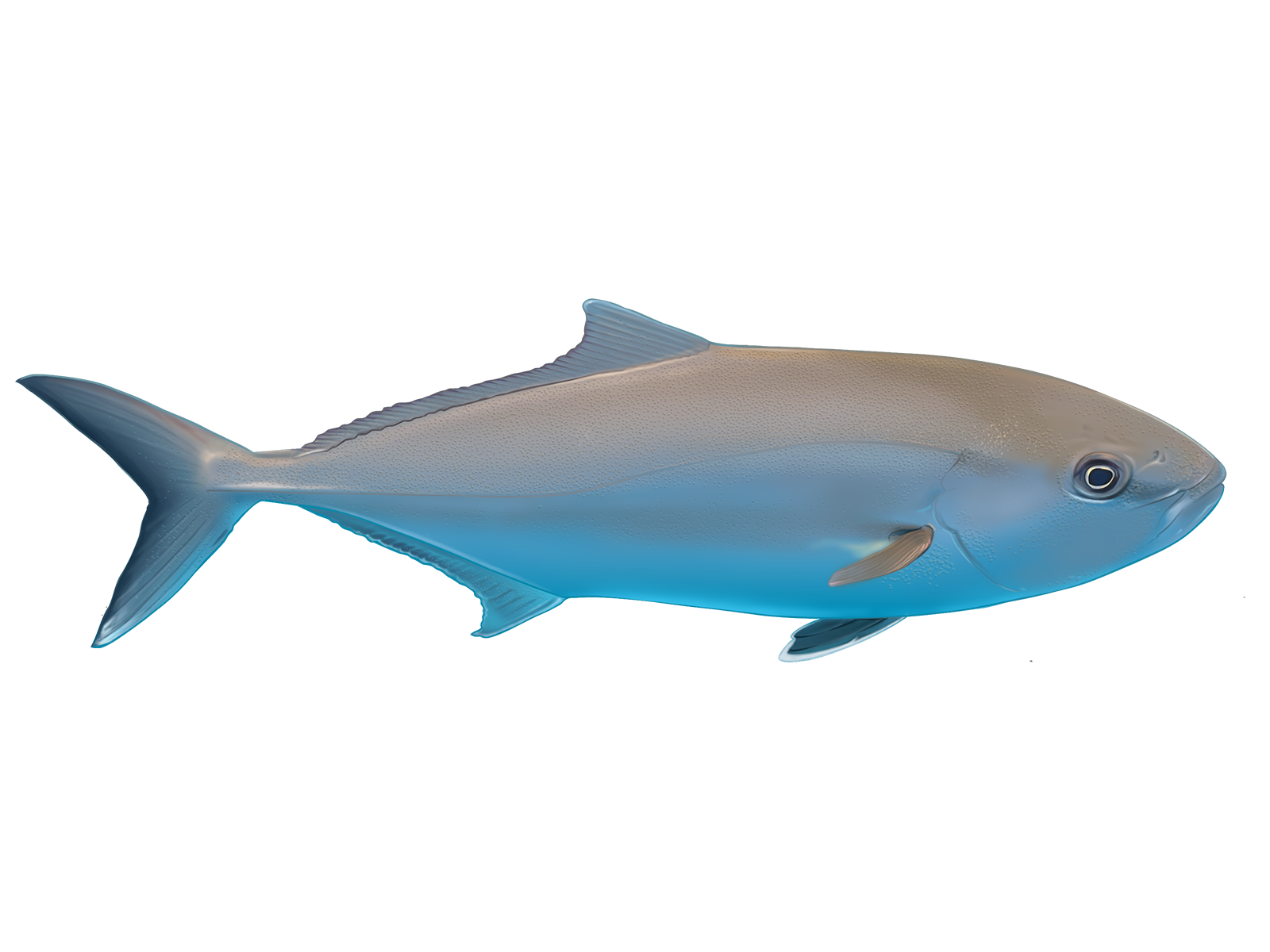 Greater Amberjack
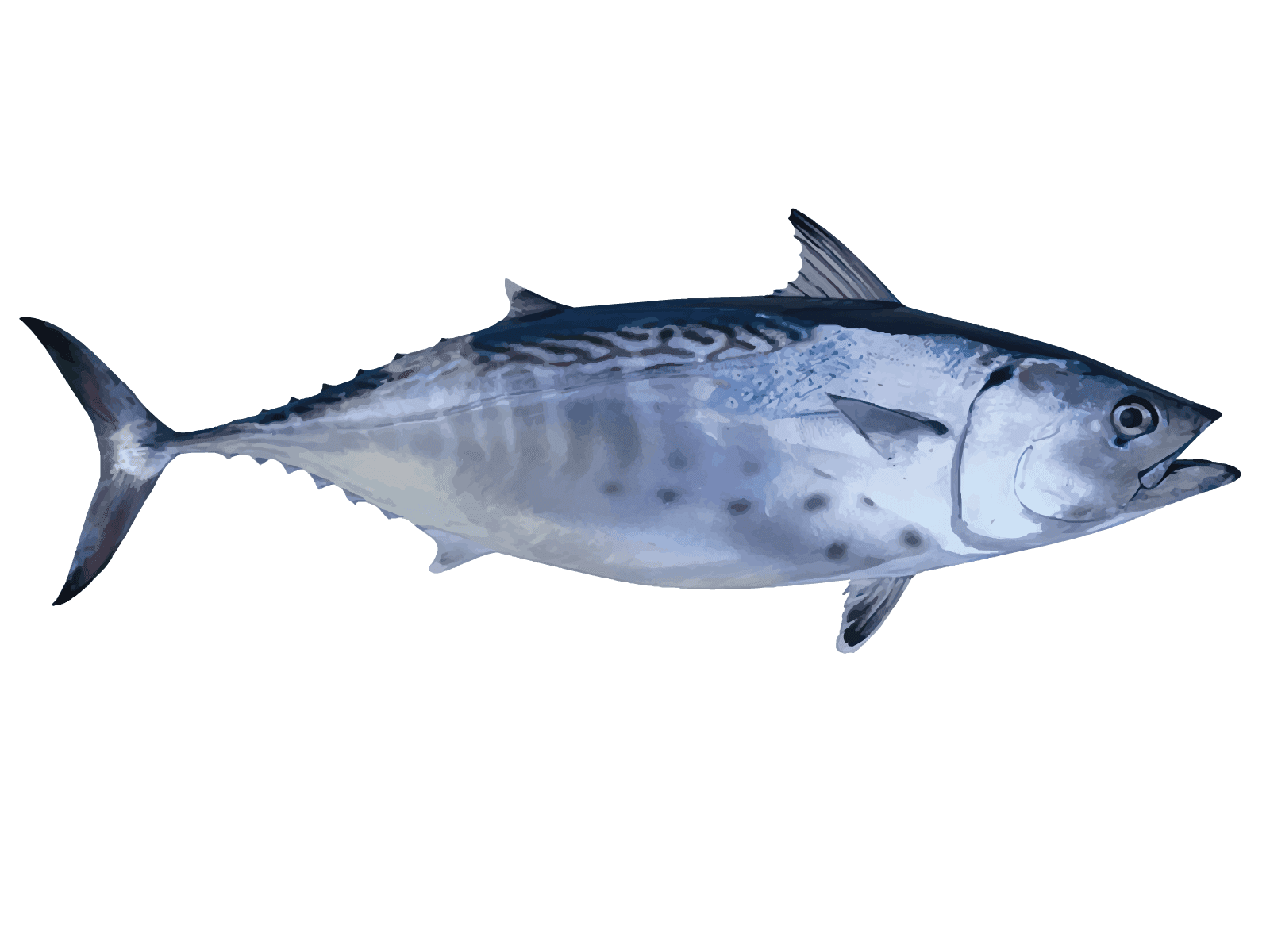
 Little Tunny
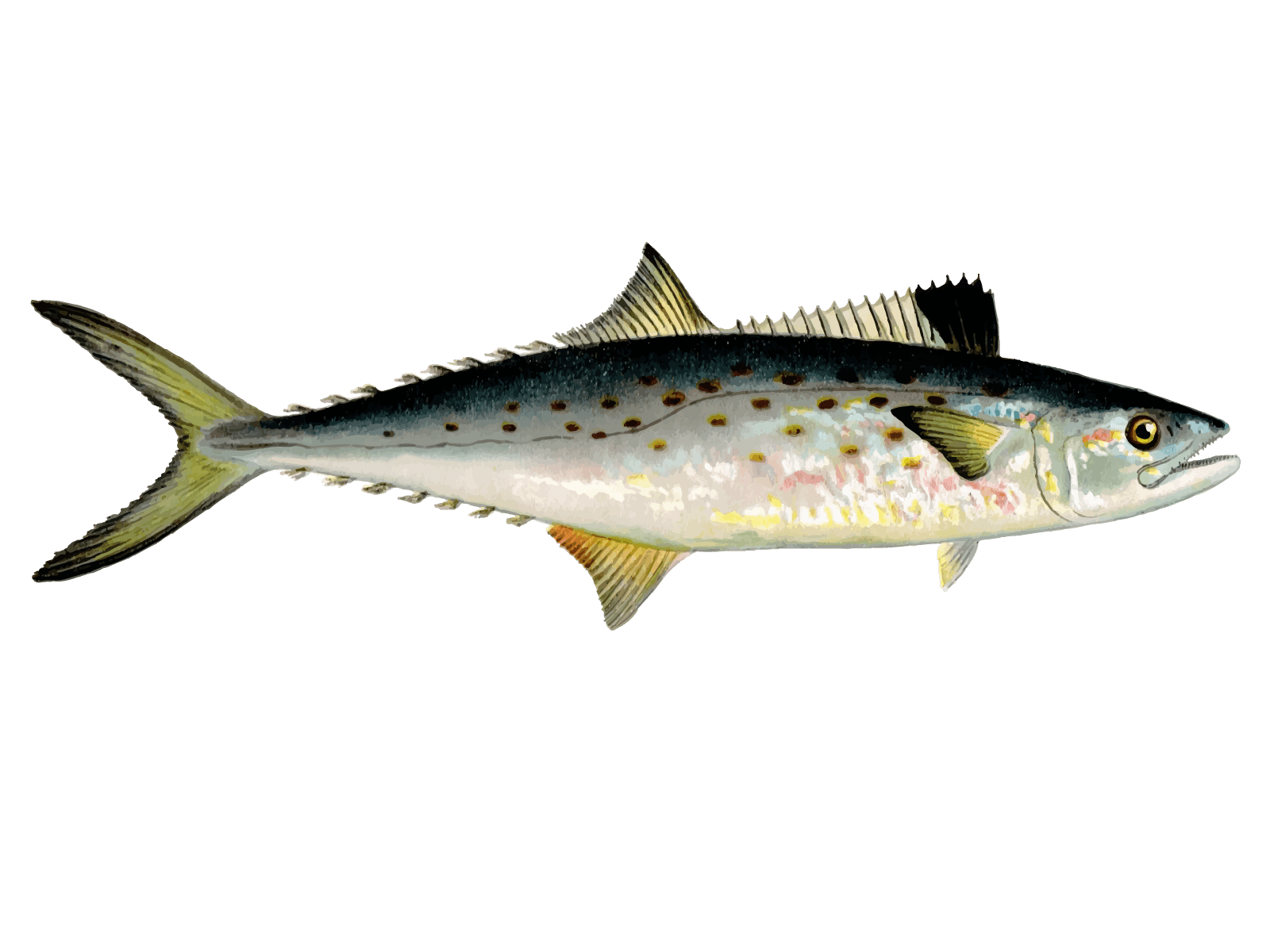
 Spanish Mackerel
- This full-day fishing trip with Flying Fish Charters adapts to whatever Mother Nature serves up off Harkers Island. When conditions are right, we'll head offshore to chase fast-moving False Albacore that hit like lightning and fight hard at 7-9 pounds. If the ocean's rough, we stay nearshore hunting Bull Drum, Amberjack, and acrobatic Blacktip Sharks. The captain focuses on sight fishing
- spotting fish before we cast
- which makes every hookup more exciting. With just 3 guests max, you get personalized attention and plenty of rod time. Whether you're after your first shark or want to test your skills against these coastal fighters, this trip delivers action-packed fishing in some of North Carolina's most productive waters.
Trip Pricing and Availabilities:
Full Day Fishing Adventure in Harkers Island
Picture this: you're standing on the deck at first light, coffee in hand, watching the sun paint the Crystal Coast waters gold. That's how your day starts with Flying Fish Charters out of Harkers Island. This isn't your typical "let's drop a line and see what happens" kind of trip. We're talking about a full day of opportunistic fishing where Mother Nature calls the shots, and we adapt our game plan to match whatever she's serving up. Some days the ocean's glass-calm and begging us to venture out, other days we stick closer to shore where the action's just as hot. Either way, you're in for a ride that'll have you talking about it for years.
What to Expect on the Water
This full-day adventure is built around one simple philosophy: fish where the fish are. Your captain reads the conditions like a book – wind, tide, water temperature, bait movement – and makes the call on where we'll have the best shot at putting you on fish. When the ocean cooperates, we might head out to deeper waters where the big players hang out. But don't think for a second that staying inshore means settling for less action. Some of the most heart-pounding fights happen in 20 feet of water when you hook into a bull drum that's bigger than your kitchen table. With space for up to three anglers, this trip keeps things intimate and focused. No crowds, no rushing, just you and your buddies with plenty of elbow room to work your magic.
Sight Fishing & Fighting Fish
Here's where things get really fun – we're talking sight fishing for False Albacore, and if you've never experienced it, you're in for something special. These little rockets show up in schools, and when they're feeding on the surface, it looks like the water's boiling. You'll see them busting bait from a quarter-mile away, and that's when we fire up the engines and get you in position for some of the fastest fishing you'll ever experience. We run light tackle here because these fish don't need heavy gear – they've got speed and attitude that'll test your skills plenty. When we're targeting sharks, we switch up the approach with heavier rigs and chum to bring them in close. The gear's all top-shelf stuff, and your captain will walk you through everything so you're ready when that drag starts screaming.
Top Catches This Season
Greater Amberjack are the bulldozers of the nearshore waters, and when you hook one, you'll know it immediately. These bruisers average 20-40 pounds around here and fight like they've got something to prove. They love structure – wrecks, reefs, hard bottom – and once you get them away from cover, it's a straight-up test of will. Best time to target them is during the warmer months when they're most active, and they're absolute customer favorites because every fight feels like you're arm-wrestling a truck.
Blacktip Sharks bring the aerial show that gets everyone on the boat hooting and hollering. These guys average 3-5 feet and love to jump – sometimes three or four times before you get them to the boat. They're here year-round but really turn on during spring and fall migrations. What makes them so much fun is their unpredictability; you never know if they're going to run deep, jump sky-high, or both.
Little Tunny, or False Albacore as most folks call them, are pure adrenaline in 7-9 pound packages. They hit the scene hard in fall and stick around through early winter, traveling in schools that can stretch for acres. When they're feeding, it's chaos in the best possible way – birds diving, bait jumping, and your reel singing that sweet song of a fish peeling line at 45 mph.
Spanish Mackerel might be smaller players, but they make up for size with sheer numbers and willingness to bite. These guys are perfect for keeping the action steady when the bigger fish are being picky. They're here from spring through fall and love light tackle, making them ideal for anglers who want to feel every head shake and run.
Bluefish are the opportunists that show up when you least expect them and often save the day when other species are being finicky. They travel in wolf packs and when they're feeding, they'll hit just about anything you throw at them. Size varies wildly – you might catch cocktail blues one day and 10-pounders the next, but they all fight with that classic bluefish attitude that keeps things interesting.
Time to Book Your Spot
Look, there's fishing, and then there's fishing with purpose. This full-day adventure with Flying Fish Charters gives you both – the flexibility to chase whatever's biting best and the expertise of a captain who knows these waters like his own backyard. Harkers Island sits right in the sweet spot where inshore and nearshore fishing converge, giving you access to incredible variety without burning half your day just getting to the fishing grounds. Whether you're after your first shark, want to experience the rush of sight fishing for False Albacore, or just need a day on the water that reminds you why you love fishing in the first place, this trip delivers. The calendar fills up fast, especially during prime seasons, so don't wait around thinking about it. Book your spot and get ready for a day of fishing that'll reset your expectations for what a great day on the water looks like.
Learn more about the animals
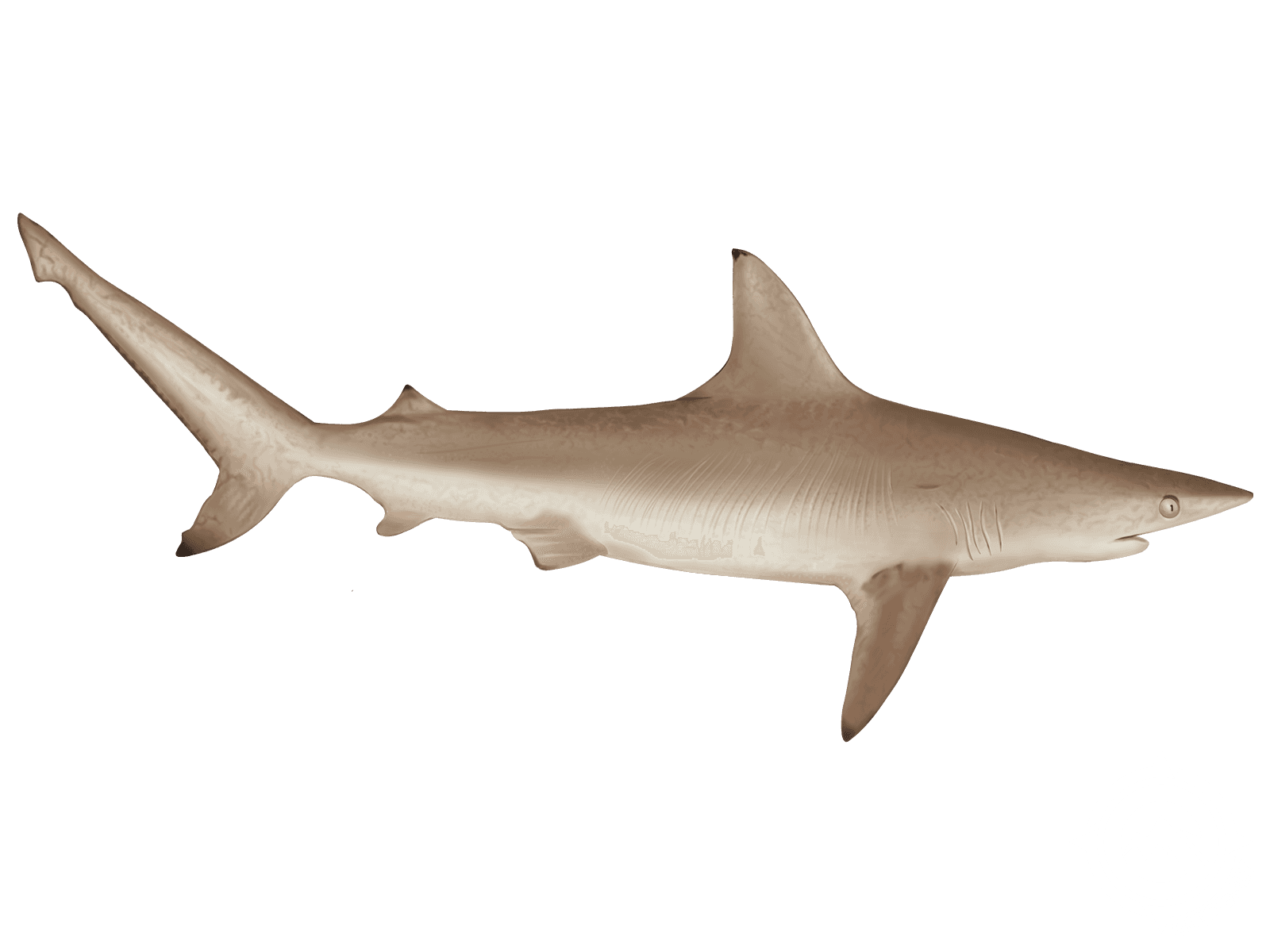
Blacktip Shark
Blacktips are the acrobats of the shark world - you'll know one when it jumps clean out of the water with those distinctive black fin tips flashing. These sleek hunters average around 5 feet but can push 9 feet when you get lucky. They patrol our nearshore waters in 30-100 feet, especially around structure and baitfish schools. Late spring through early fall is prime time when the water warms up and they move in to feed on mackerel and sardines. What guests love is that explosive fight - they jump, they run, and they put on a real show. The key is using circle hooks with oily bait like cut mackerel or live sardines. Here's my trick: once you get that first bite, don't set the hook hard - let the circle hook do its job and you'll land more of these beauties.
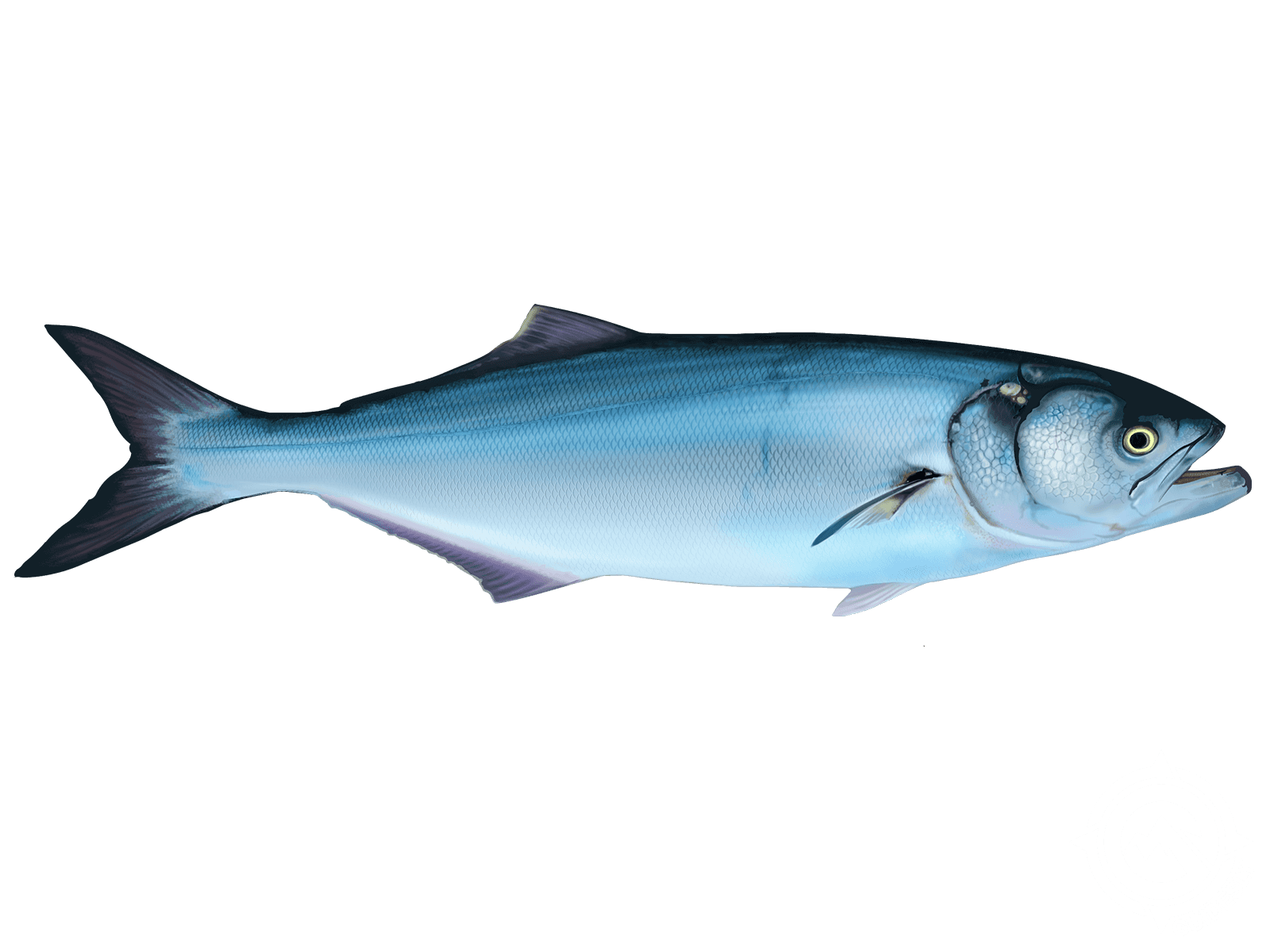
Bluefish
Bluefish are the bulldogs of the surf and nearshore waters - aggressive feeders with an attitude to match. These blue-green predators typically run 3-15 pounds around here, with that distinctive forked tail and razor-sharp triangular teeth. They show up in our waters mid-spring through fall, feeding in schools along beaches, inlets, and over structure. What makes them exciting is that feeding frenzy behavior - they'll attack anything that moves and fight hard all the way to the boat. The meat's excellent when fresh, especially the smaller "cocktail blues." They're not picky - cut bait, live menhaden, or flashy spoons all work well. Here's my tip: watch for diving birds and that telltale "washing machine" water when they're blitzing baitfish. Get there quick with wire leaders because those teeth will slice through regular line like butter.
Greater Amberjack
Greater Amberjack are the bulldozers of the reef. These bluish-grey bruisers average around 39 pounds but can hit 6 feet and really test your gear. You'll find them around structure in deeper water - wrecks, reefs, and drop-offs where they ambush smaller fish. They're not picky eaters, so live bait, heavy jigs, or even trolled spoons will get their attention. What makes them special is that amber stripe along their sides and the way they dive straight for the bottom when hooked. Spring through fall gives you the best shot at them here off Harkers Island. My tip: use at least 50-pound test and keep steady pressure - if you let them get their head down and run to structure, they'll cut you off every time.
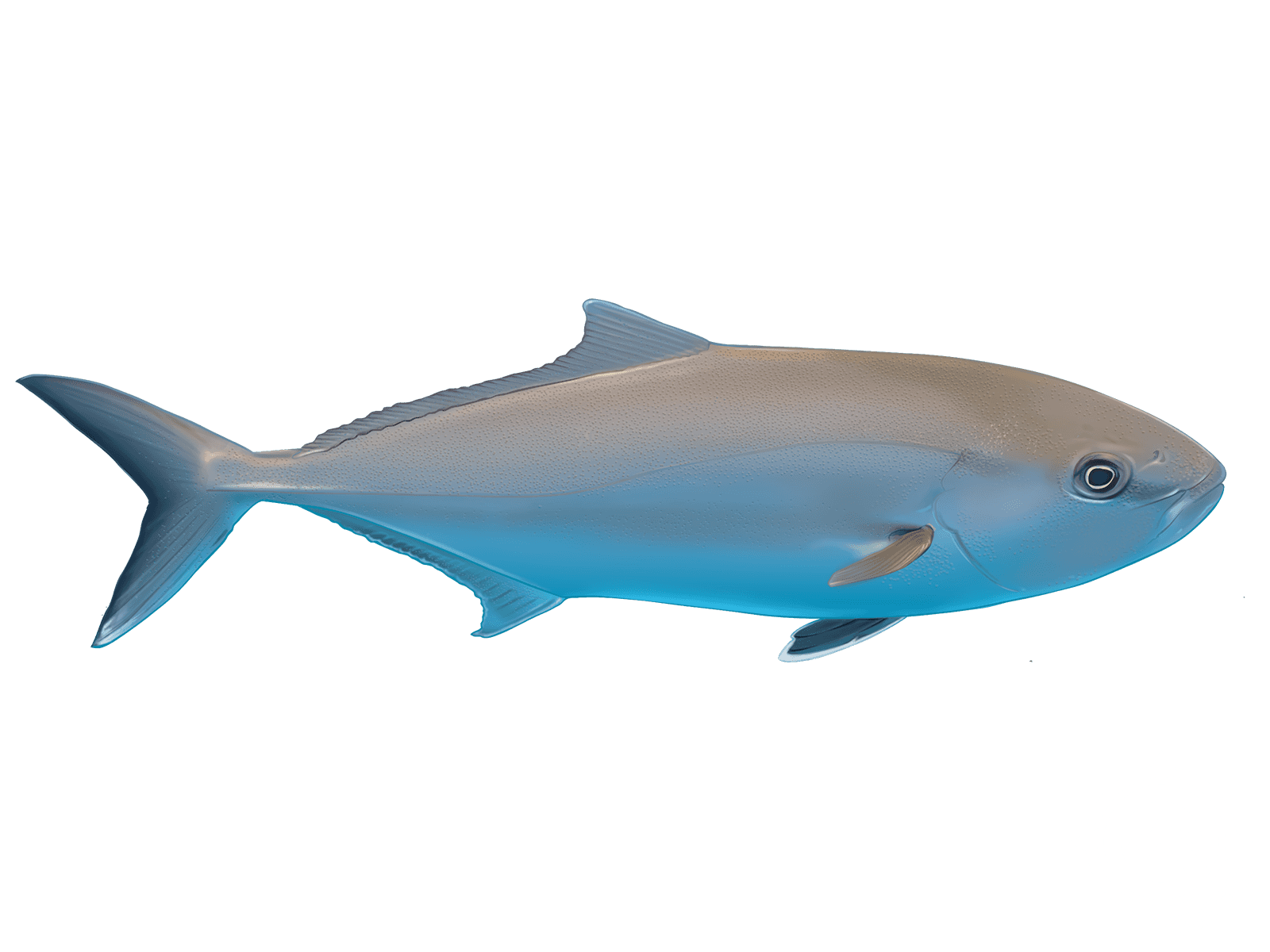
Little Tunny
Little Tunny, or False Albacore as most folks call them, are pure speed demons hitting 45 mph when they're fired up. These torpedo-shaped fighters average 7-9 pounds with that distinctive dark fingerprint pattern on their silver sides. They school up in our nearshore waters, especially around points, inlets, and wherever baitfish are getting pushed around. Fall is absolutely prime time when they're feeding heavily before winter. What makes them special is that crazy fight - they'll strip line like nothing else their size and never give up. The meat's red and strong-flavored, perfect smoked or grilled fresh. Here's the deal: when you see birds diving and water boiling, get there fast but cut your engine early. Throw small spoons or jigs right into the chaos and hold on tight.
Spanish Mackerel
Spanish Mackerel are the silver bullets of our nearshore waters - fast, flashy, and always ready to bite. These beauties average 1-2 feet long with those bright yellow spots scattered along their sides. You'll find them schooling near the surface from spring through fall, especially around structure like jetties, piers, and nearshore reefs. They're speed demons that love chasing baitfish, so when you hook one, expect a drag-screaming run. What guests really appreciate is the eating quality - mild, flaky white meat that's perfect on the grill. They're not shy about hitting lures either; small spoons, jigs, or live shrimp work great. My local trick: when you find a school, work fast with multiple rods because they move quick. Also, use a wire leader - those razor-sharp teeth will cut through mono in a heartbeat.
About the Flying Fish II
%2F%2Fusers%2F58b1f545-9bbd-4902-872f-19874ba8e36d%2Fvehicle_picture%2Ff16e6476-bf61-4182-84c1-9ae21ee27696-mmgc1puw.jpeg&w=1920&q=75)
Vehicle Guest Capacity: 5
Manufacturer Name: Yamaha
Maximum Cruising Speed: 55
Number of Engines: 1
Horsepower per Engine: 200